

 English
 русский
 Français
 Español
 عربى
عربى
Equipo de incineración de alta temperatura LQ-RTO
Equipo
Descripción general de la torre RTO El oxidante térmico regenerativo (RTO) es un equipo de tratamiento de gas residual orgánico que combina...
Ver detalles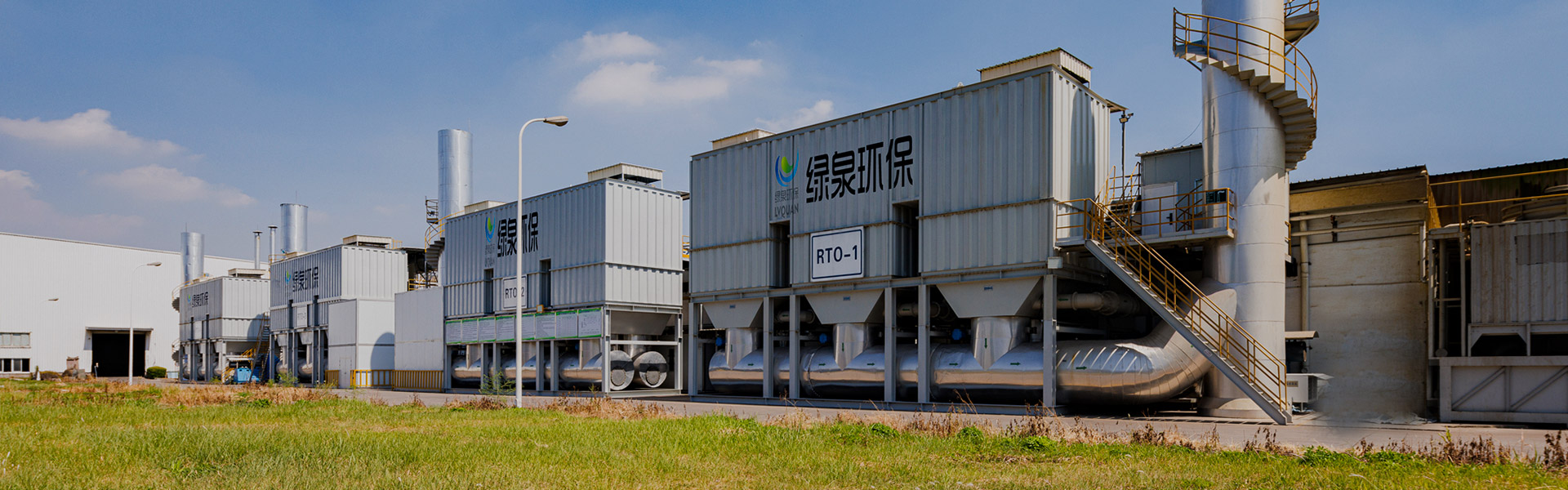
Contenido
el Horno incinerador de residuos sólidos LQ-SWI está diseñado para manejar un amplio espectro de categorías de residuos, lo que lo convierte en una de las soluciones de equipos de tratamiento de residuos más versátiles disponibles en la actualidad. Desde desechos sólidos municipales generales hasta flujos complejos de desechos peligrosos, el horno LQ-SWI ofrece una incineración confiable y de alta eficiencia para múltiples tipos de desechos. Su diseño de combustión multicámara, combinado con una avanzada tecnología de purificación de gases de combustión, garantiza que prácticamente cualquier entrada de residuos sólidos se trate de forma segura y de conformidad con las normas medioambientales.
el four primary waste categories processed by this horno de residuos industriales incluyen: residuos generales (basura doméstica, materiales de embalaje, residuos orgánicos), residuos industriales (recortes de fábrica, residuos químicos, subproductos de proceso), desechos médicos (punzantes clínicos, textiles contaminados, descartes farmacéuticos), y residuos especiales (químicos de laboratorio, componentes de desechos electrónicos, residuos agrícolas). Cada categoría exige protocolos específicos de gestión de temperatura y tratamiento de gases, y el sistema LQ-SWI está diseñado para cumplirlos.
En industrias que van desde la atención médica hasta la fabricación, los operadores seleccionan constantemente la plataforma LQ-SWI porque integra conversión de residuos en energía Recuperación de calor con un sólido control de emisiones ecológico, lo que elimina la necesidad de una infraestructura de tratamiento separada y al mismo tiempo mantiene el cumplimiento de la producción.
Comprender la gama de materiales compatibles con el Horno LQ-SWI ayuda a los administradores de instalaciones a planificar la segregación de residuos en sentido ascendente, optimizar la programación de lotes y garantizar el cumplimiento normativo en sentido descendente. La siguiente tabla resume los principales flujos de residuos y sus características clave dentro del proceso de incineración.
| Categoría de residuos | Materiales típicos | Temperatura de combustión. | Necesidad clave de tratamiento |
|---|---|---|---|
| Residuos Generales | Basura doméstica, envases, desperdicios de alimentos. | 650–850°C | Reducción de volumen, control de olores. |
| Residuos Industriales | Residuos químicos, recortes de fábrica, disolventes. | 850–1100°C | Oxidación completa, captura de metales pesados. |
| Residuos médicos | Objetos punzantes, EPP contaminados, productos farmacéuticos | >850°C durante ≥2 s | Destrucción de patógenos, control de dioxinas. |
| Residuos Especiales | Productos químicos de laboratorio, residuos agrícolas, desechos electrónicos | 850–1200°C | Lavado de gases especializado, gestión de escorias. |
Cada flujo de desechos se adapta a parámetros operativos específicos dentro del sistema de control LQ-SWI, lo que permite a los operadores cambiar entre tipos de desechos sin comprometer la eficiencia de la destrucción térmica o la calidad de las emisiones.
el LQ-SWI series spans eight standard model sizes, from the compact SWI-1 (20–300 kg/lote) a la de gran capacidad SWI-8 (3.000 kg/lote). Esta gama permite que tanto las instalaciones pequeñas (como clínicas rurales o pequeños talleres de fabricación) como los operadores industriales a gran escala seleccionen una unidad que se adapte con precisión a sus requisitos de rendimiento. El siguiente gráfico de barras horizontales presenta la capacidad de incineración de cada modelo de un vistazo.
el chart above illustrates the stepwise increase in per-batch incineration capacity across the eight LQ-SWI models, from as low as 20 kg (SWI-1 minimum) to a maximum of 3,000 kg (SWI-8). This progression allows facilities to match equipment scale precisely to actual waste generation volumes, reducing both capital expenditure and fuel consumption. The SWI-5 through SWI-8 models are particularly suited to municipal waste incinerator applications and large-volume hazardous waste furnace operations, where daily throughput demands can exceed several tonnes. Smaller models such as SWI-1 and SWI-2 are ideal for clinics, laboratories, and small manufacturing units that need a pequeño horno de residuos con un rendimiento confiable de destrucción térmica. El peso del equipo aumenta proporcionalmente, de 1300 kg (SWI-1) a 6000 kg (SWI-8), lo que refleja la construcción robusta de acero de grado industrial que se mantiene en toda la gama. Todos los modelos comparten un consumo de combustible para quemadores de 2 a 15 kg/h, y el uso real de combustible varía según el valor calorífico residual y el tamaño del lote.
| modelo | Capacidad (kg/lote) | Volumen del horno (m³) | Peso del equipo (kg) |
|---|---|---|---|
| SWI-1 | 20–300 | 1 | 1.300 |
| SWI-2 | 400 | 2 | 2.000 |
| SWI-3 | 600 | 3 | 2.500 |
| SWI-4 | 800 | 4 | 3.000 |
| SWI-5 | 1.000 | 5 | 3.500 |
| SWI-6 | 1.500 | 6 | 4.000 |
| SWI-7 | 2.000 | 7 | 5.000 |
| SWI-8 | 3.000 | 8 | 6.000 |
Una característica definitoria del LQ-SWI incinerador de residuos sólidos es su cadena de tratamiento de gases de combustión en cuatro fases. En lugar de un enfoque de depuración de un solo punto, el sistema somete los gases de escape a etapas de purificación secuenciales, cada una de las cuales apunta a diferentes clases de contaminantes. Esta metodología en capas es lo que permite que el LQ-SWI sirva como un incinerador ecológico y un robusto caballo de batalla industrial.
Los gases de alta temperatura que salen de la cámara de combustión secundaria se enfrían inmediatamente desde 850°C a 180°C en 2 segundos en la torre de enfriamiento de gas. Este enfriamiento rápido es fundamental: evita la ventana de temperatura de 200 a 500 °C en la que las dioxinas pueden volver a formarse a partir de compuestos precursores. Simultáneamente, una boquilla atomizadora inyecta reactivo en la corriente de gas para la desulfuración y desnitrificación simultáneas, eliminando SO₂ y NOₓ en la etapa más temprana posible de la cadena de tratamiento.
el cooled gas passes through a medium-efficiency dust collector and cyclone separator, which physically separate coarser particulate matter and neutralisation byproduct particles from the gas stream. Cyclone technology uses centrifugal force to hurl particles to the outer wall of the separator body, where they drop into a collection hopper. This stage protects the downstream bag filter from premature loading, extending service intervals and reducing maintenance costs.
Las partículas finas residuales, el polvo submicrónico, los metales pesados y las dioxinas que sobrevivieron a las etapas anteriores son capturados por el filtro de bolsa de chorro pulsado de alta temperatura. Las bolsas filtrantes, hechas de fibra resistente a la temperatura, acumulan una torta de material recolectado que actúa a su vez como una capa de filtración adicional. La limpieza periódica con chorro de pulso mantiene el diferencial de presión dentro de límites aceptables, lo que garantiza un funcionamiento continuo sin necesidad de retirar manualmente la bolsa. Esta etapa es fundamental para la capacidad del sistema de cumplir con estrictos estándares de emisión de partículas.
Los gases limpios son aspirados a través del sistema por un ventilador centrífugo de tiro inducido y expulsados a través de la chimenea de emisiones a velocidades y concentraciones que cumplen con los estándares de descarga nacionales e internacionales aplicables. El ventilador proporciona una presión negativa estable a lo largo de toda la cadena de tratamiento de gas, lo que garantiza que no haya fugas de gases sin tratar en ningún punto de unión.
el line chart above traces the temperature drop of exhaust gases as they move through the four-phase treatment system of the LQ-SWI tecnología de incineración plataforma. La caída más pronunciada (de 850 °C a 180 °C) se produce en la Fase 1, ejecutada deliberadamente en dos segundos para suprimir la resíntesis de dioxinas. Esta única decisión de ingeniería refleja décadas de experiencia en la gestión de gases de combustión y es la piedra angular de las credenciales de incinerador ecológico del sistema. Las fases 2 y 3 enfrían progresivamente el gas aún más a medida que se intensifica la depuración química y de partículas, con temperaturas de salida de la chimenea dentro de los rangos de descarga seguros. Toda la cascada de temperatura es monitoreada por el sistema de control integrado, que ajusta la velocidad del ventilador y la velocidad de inyección del reactivo de enfriamiento rápido en tiempo real. Esta capacidad de respuesta dinámica hace que el sistema LQ-SWI sea una de las plataformas más adaptables disponibles en el mercado. tratamiento térmico de residuos categoría, capaz de manejar valores caloríficos residuales variables sin intervención manual.
el combustion process inside the LQ-SWI incinerador de alta eficiencia Sigue una secuencia estructurada de cuatro pasos que maximiza la eficiencia de la destrucción y al mismo tiempo minimiza el arrastre de carbono no quemado y la emisión de humo. Comprender esta secuencia ayuda a los operadores a optimizar la programación de lotes y los requisitos de pretratamiento para diferentes tipos de desechos.
Esta adhesión al principio de las "tres T": Temperatura, tiempo y turbulencia — es lo que distingue al LQ-SWI de los incineradores de cámara única más simples. El entorno de combustión turbulento de la cámara secundaria promueve una mezcla completa de gases, lo que garantiza que no se formen puntos fríos donde una combustión incompleta podría permitir el paso de compuestos dañinos sin tratar.
Para ayudar a los equipos de adquisiciones y a los ingenieros ambientales a evaluar la plataforma LQ-SWI frente a hornos de incineración de residuos sólidos genéricos, el siguiente gráfico de radar compara cinco dimensiones clave de rendimiento para el sistema LQ-SWI. Las puntuaciones reflejan las características del diseño de ingeniería y la capacidad del proceso en lugar de los resultados de las pruebas individuales.
el radar chart presents five capability dimensions critical to selecting a equipo de tratamiento de residuos plataforma. La eficiencia de combustión obtiene la puntuación más alta con un 95 %, lo que refleja el cumplimiento de la cámara secundaria con el estándar de permanencia de 850 °C/2 segundos y el principio de combustión de tres T. El control de emisiones alcanza el 92%, respaldado por la cadena de tratamiento de gases de cuatro fases que captura partículas, dioxinas, metales pesados, SO₂ y NOₓ en secuencia. La versatilidad de los residuos alcanza una puntuación del 90 %, lo que reconoce que LQ-SWI procesa flujos de residuos generales, industriales, médicos y especiales sin modificaciones estructurales. La escalabilidad del 88 % refleja la gama de ocho modelos que abarca de 20 kg a 3000 kg por lote, cubriendo casi todos los casos de uso industrial, desde la gestión de pequeñas instalaciones hasta grandes operaciones municipales. La recuperación de energía, con una puntuación del 82 %, refleja la capacidad del intercambiador de calor y de generación de vapor/agua caliente del sistema, una consideración cada vez más importante a medida que los operadores buscan compensar los costos de combustible mediante conversión de residuos en energía salida. Juntas, estas cinco dimensiones muestran por qué la plataforma LQ-SWI obtiene constantemente altas calificaciones de los equipos de cumplimiento ambiental y gerentes de operaciones en múltiples industrias.
Una de las características menos discutidas pero económicamente significativas del LQ-SWI horno de residuos industriales es su subsistema integrado de recuperación de calor. En lugar de permitir que el calor de la combustión se disipe como residuo, el sistema dirige los gases de combustión a alta temperatura a través de un intercambiador de calor o una unidad de caldera. La energía térmica recuperada se puede utilizar para generar vapor para aplicaciones de procesos (por ejemplo, esterilización en instalaciones médicas, calor de proceso en la fabricación), agua caliente para calefacción de espacios o, cuando la escala lo justifique, electricidad a través de un generador de turbina de vapor. Para grandes instalaciones SWI-6 a SWI-8, el potencial de recuperación de calor es sustancial: una carga de 1.500 kg/lote de residuos industriales mixtos con un poder calorífico promedio de 8.000 kJ/kg podría producir aproximadamente 3.300 kWh de energía térmica por lote antes de pérdidas de eficiencia.
esto conversión de residuos en energía incinerator La capacidad transforma lo que de otro modo sería un centro de costos puro (eliminación de desechos) en una fuente de energía parcial, mejorando la economía general de las operaciones de las instalaciones. Las industrias con una alta generación simultánea de residuos y demanda de calor, como el teñido de textiles, el procesamiento de alimentos y la fabricación de productos farmacéuticos, son las que más se beneficiarán de la integración del sistema LQ-SWI en su planificación de servicios públicos.
el column chart above illustrates how estimated thermal energy recovery scales with incineration capacity across LQ-SWI models (SWI-2 through SWI-8). Values are calculated assuming mixed waste with an average calorific value of approximately 8,000 kJ/kg and an overall heat recovery efficiency of approximately 55%, which is representative of conventional shell-and-tube heat exchanger configurations. The smallest commercially viable heat recovery configuration (SWI-2, 400 kg/batch) yields approximately 440 kWh per batch, sufficient to supply a small hot water system or a low-pressure steam sterilisation unit. The SWI-6 at 1,650 kWh per batch represents a useful threshold for combined heat and power (CHP) feasibility analysis. The SWI-8, at an estimated 3,300 kWh per batch, delivers thermal output comparable to a mid-scale boiler installation, making the economic case for active heat utilisation compelling. Facilities that can schedule incineration batches to align with peak heat demand periods stand to maximise the energy offset contribution of the system. This scalable conversión de residuos en energía La arquitectura refuerza la propuesta de valor de la serie LQ-SWI más allá de la simple destrucción de residuos.
el following list summarises the principal technical and operational advantages that distinguish the LQ-SWI platform in the hornos de incineración de residuos sólidos mercado:
Lvquan Environmental Protection Engineering Technology Co., Ltd. está ubicada en Gaoyou, Yangzhou, la "puerta norte" de la provincia de Jiangsu. La empresa es una sociedad anónima constituida mediante la colaboración de profesionales con más de 30 años de experiencia acumulada en el diseño y fabricación de equipos de COV. Como fabricante dedicado de equipos de ingeniería de tratamiento de gases residuales orgánicos COV y hornos de incineración de residuos sólidos , Lvquan ha desarrollado una amplia cartera de sistemas de tratamiento ambiental que prestan servicios a clientes industriales, médicos y municipales.
el company holds a registered capital of 22 millones de yuanes , activos fijos que se acercan a los 40 millones de yuanes y activos totales de casi 60 millones de yuanes. Sus instalaciones de fabricación de 9.800 m² albergan más de 200 equipos de mecanizado y dan soporte a una plantilla de 120 empleados. Con una capacidad de producción anual de 100 millones de yuanes , Lvquan está estructurado para atender a los mercados nacionales e internacionales a escala, ofreciendo equipos de tratamiento de residuos de grado de ingeniería con la confiabilidad que exige el cumplimiento ambiental.
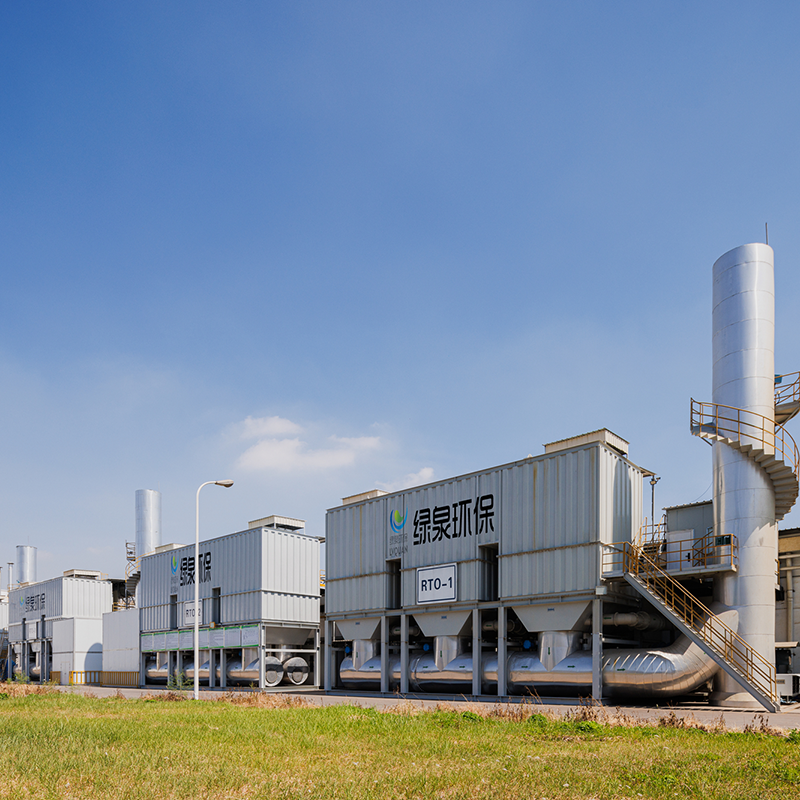
Descripción general de la torre RTO El oxidante térmico regenerativo (RTO) es un equipo de tratamiento de gas residual orgánico que combina...
Ver detalles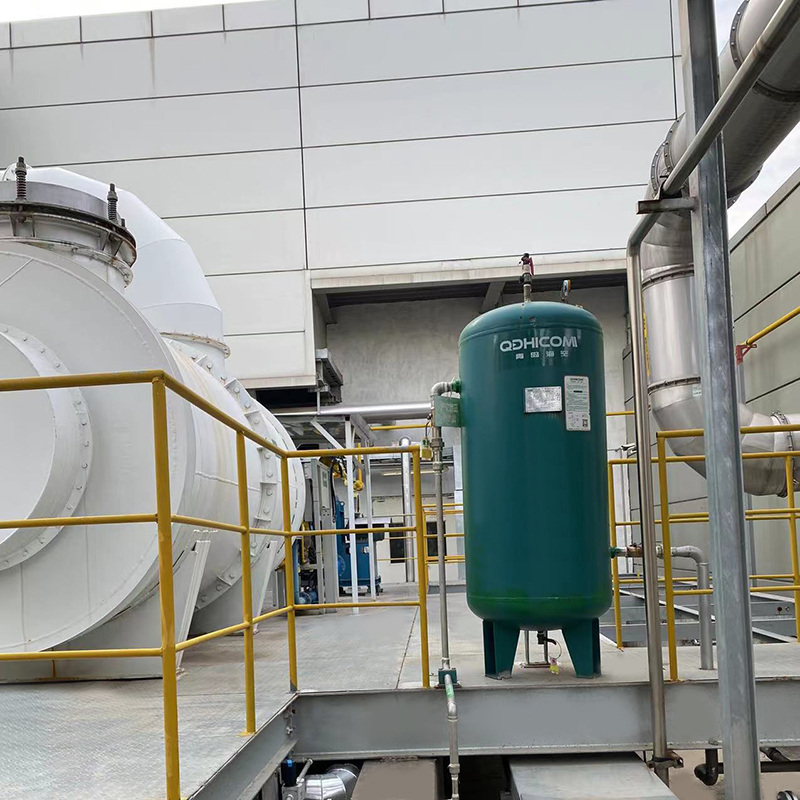
Descripción general Combustión directa El equipo de incineración de alta temperatura, abreviado en cuanto a, utiliza el calor generado por ...
Ver detalles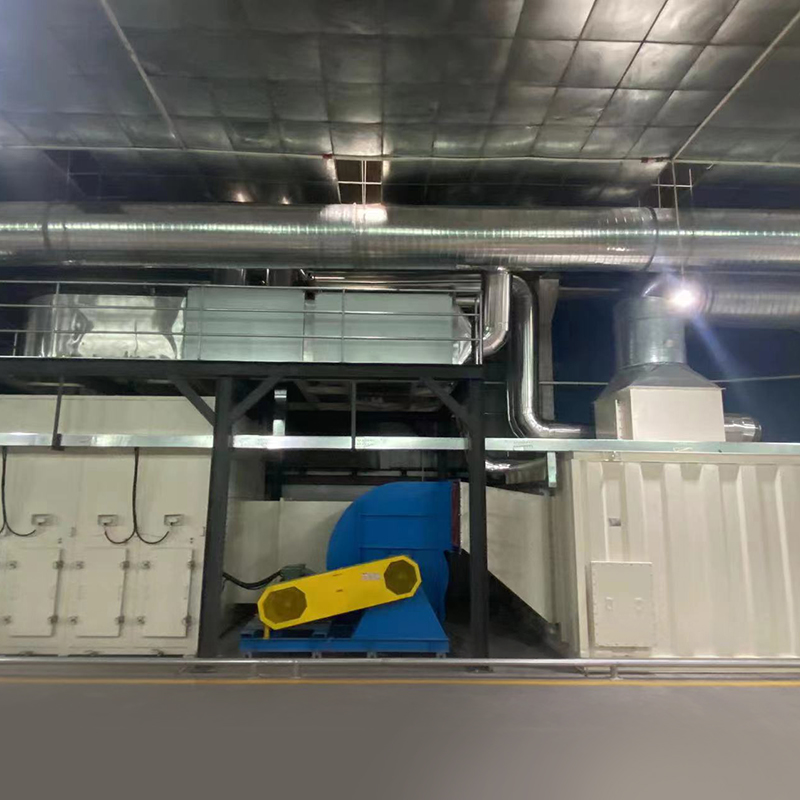
Descripción general del tocadiscos de zeolita variable El plato giratorio de concentración de zeolita de nuestra compañía utiliza una combi...
Ver detalles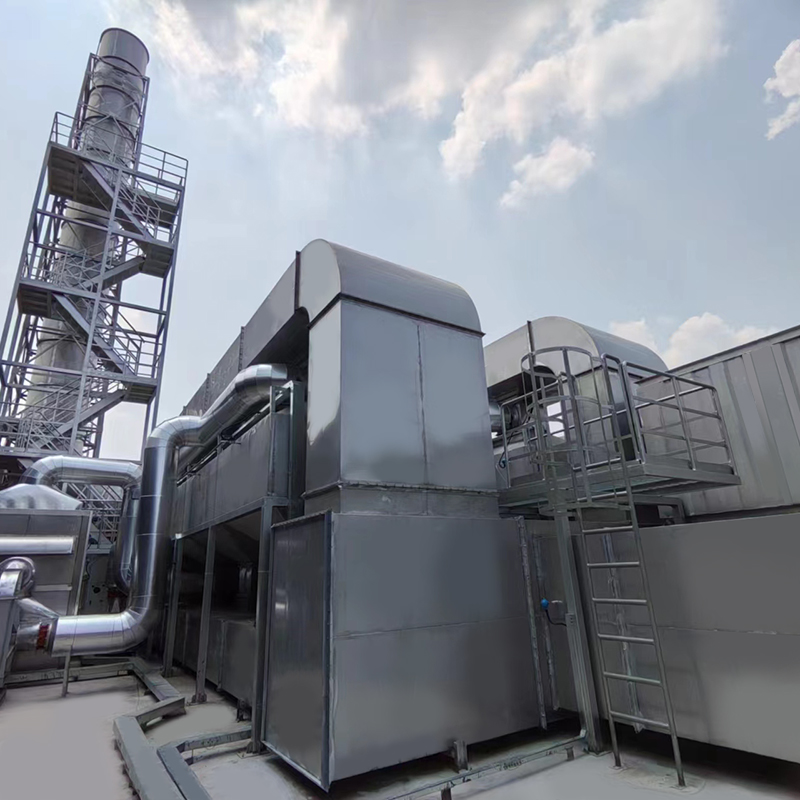
Descripción general del dispositivo de recuperación de purificación de solvente orgánico de fibra de carbono activado El Sistema de rec...
Ver detalles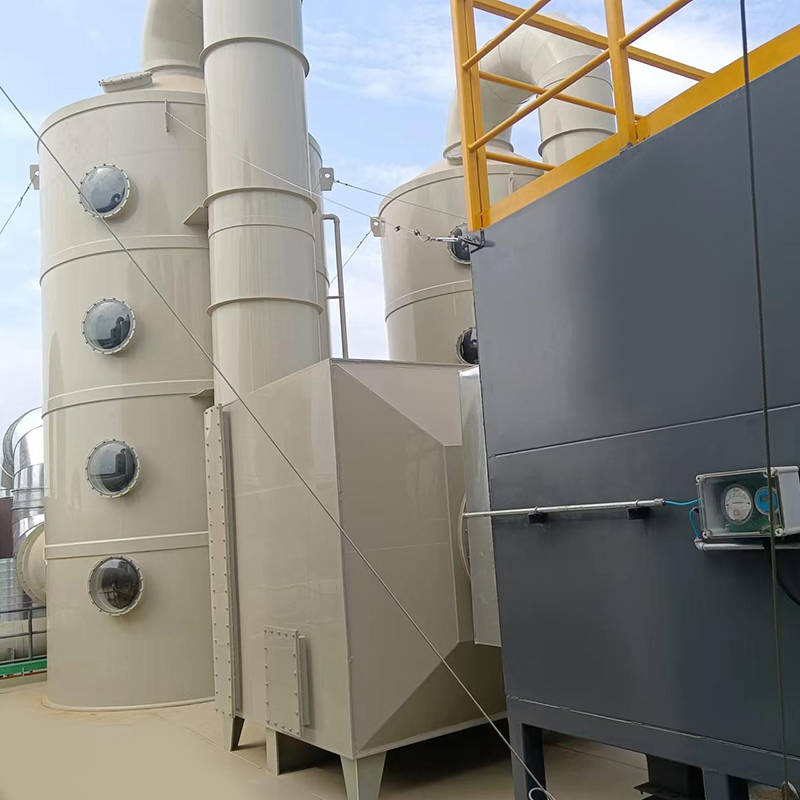
Descripción general La serie VOC-ACA Equipo de purificación de carbono y recuperación de partículas orgánicas de gases se utiliza para la a...
Ver detalles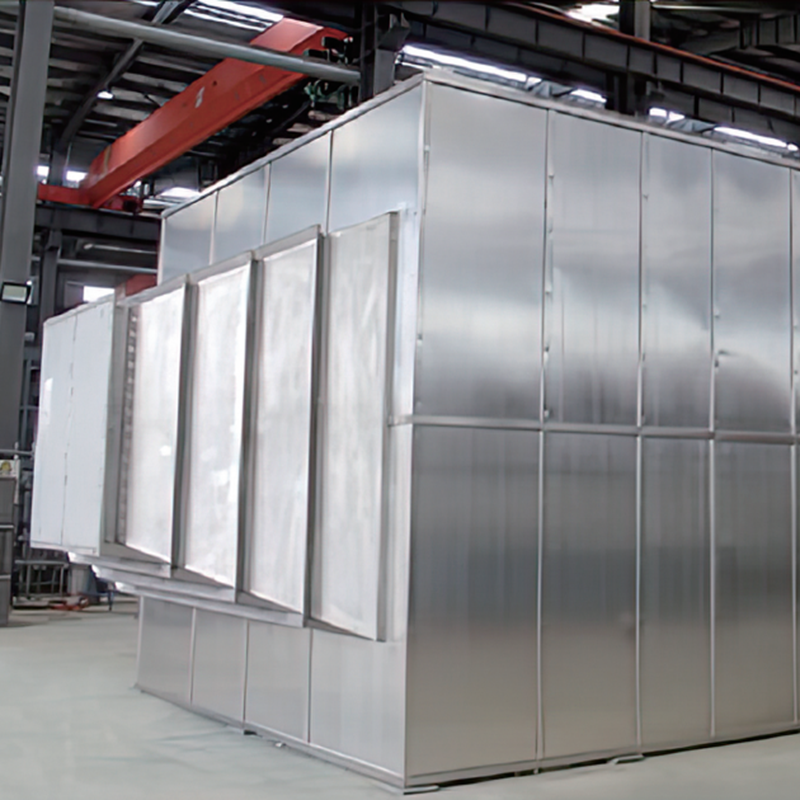
Introducción al producto El intercambiador de calor de gas se utiliza principalmente para las industrias de ahorro de energía y reducción d...
Ver detalles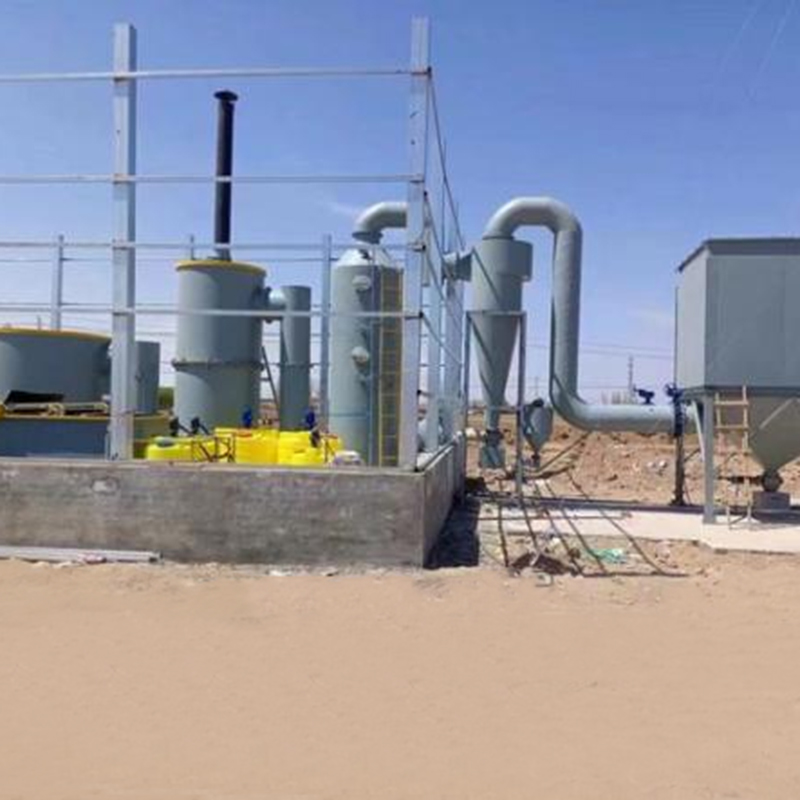
Descripción general Los hornos de incineración de residuos sólidos son equipos esenciales en la gestión de residuos sólidos, diseñados ...
Ver detalles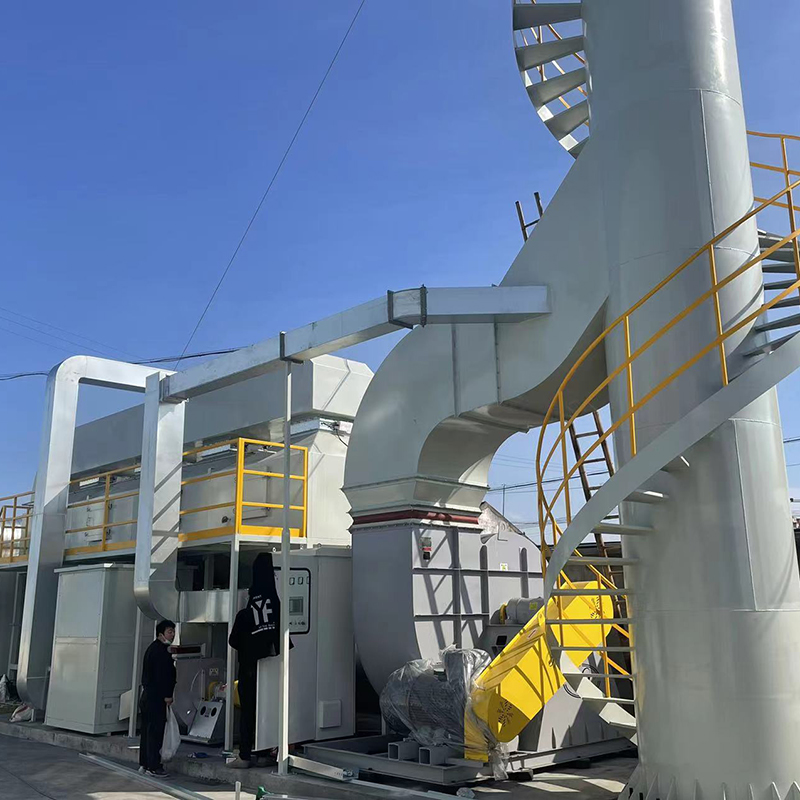
El equipo de purificación catalítica de adsorción VOC-CFT-CO El equipo de purificación catalítica de adsorción VOC-CFT-CO, que consiste en ...
Ver detalles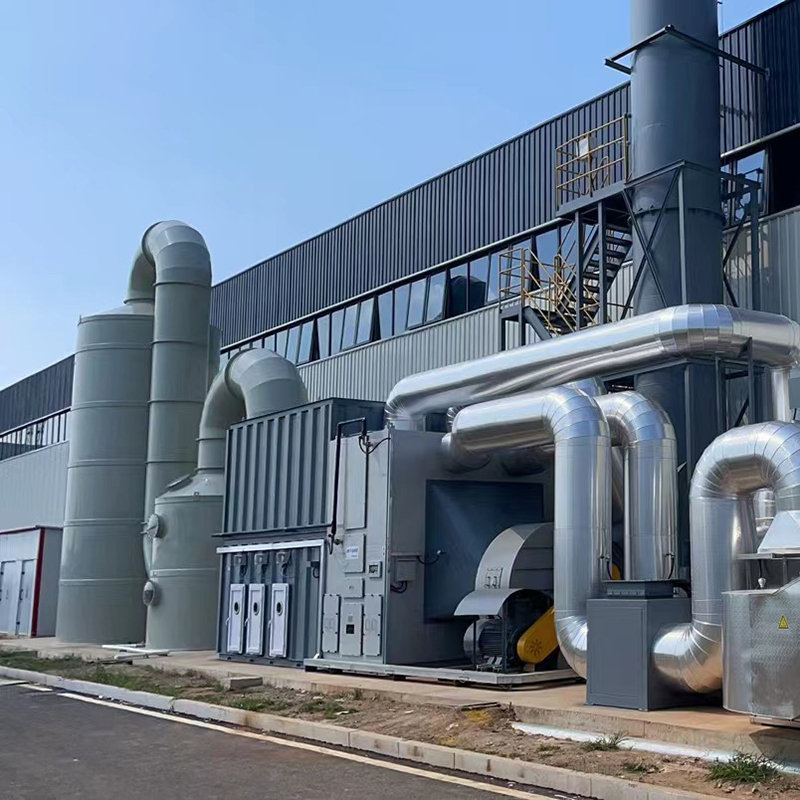
Concepto de combustión catalítica de zeolita de lecho fijo como un conjunto de equipos El dispositivo de combustión catalítica de zeolita d...
Ver detalles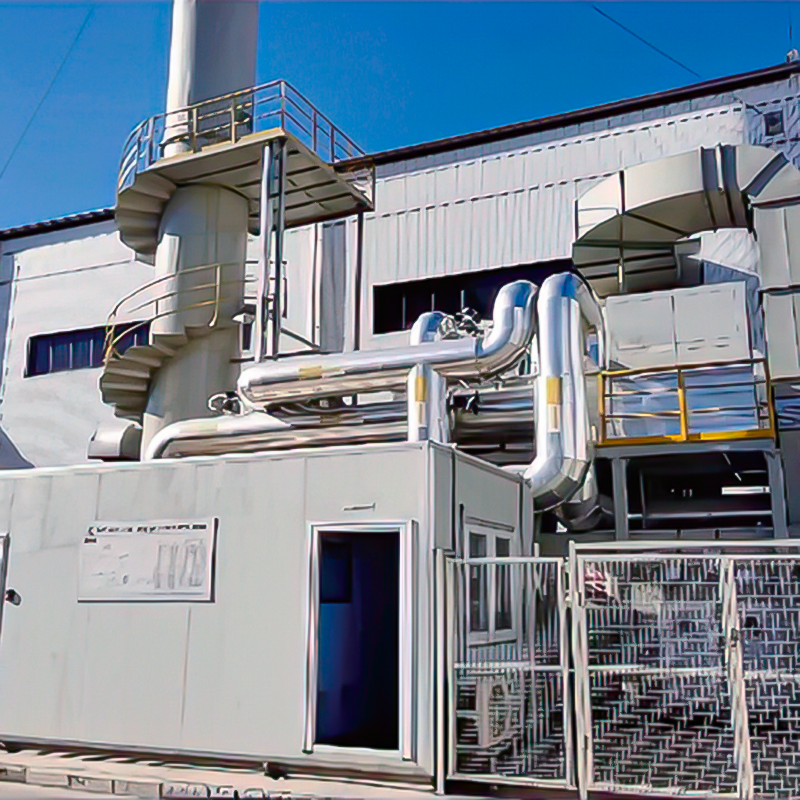
Concepto de combustión catalítica de la rueda giratoria de zeolita como un conjunto de equipos En el proceso combinado de tratamiento de ga...
Ver detallesMÓVIL
Instrucciones del producto

Derecho de Autor © LV Quan Environmental Protection Engineering Technology Co., Ltd. Todos los Derechos Reservados
